
The Art of Laminate Flooring Manufacturing in Canada
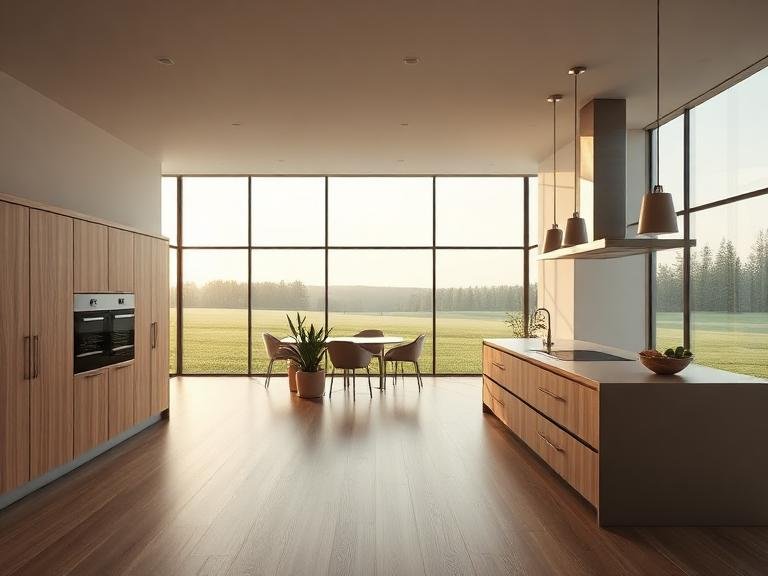
Laminate flooring is a multifaceted flooring solution celebrated for its cost-effectiveness, aesthetic versatility, and practical benefits. Defined as a synthetic flooring product made to resemble wood, stone, or other natural materials, laminate is engineered through a series of layers that contribute to its durability and visual appeal. The top layer is usually made of a clear protective coating, followed by a decorative layer that showcases the design, and finally, a core layer that provides stability.
One of the significant advantages of laminate flooring is its ease of installation, further enhanced by the click-lock mechanism that allows for floating installations without the need for glue or nails. This feature not only simplifies the installation process but also minimizes labor costs, making it an attractive choice for homeowners undertaking renovations or new constructions. Additionally, laminate flooring is known for its resistance to scratches, stains, and fading, rendering it suitable for high-traffic areas in homes.
In the Canadian market, laminate flooring has gained considerable popularity due to the diverse climate and the evolving preferences of homeowners seeking stylish yet practical flooring options. The variety of styles and finishes available allows consumers to find the perfect match for their interior design needs, whether opting for a classic wood finish or a sleek modern stone appearance. Furthermore, laminate flooring is often a more sustainable choice than traditional hardwood, as it makes use of manufactured materials that may include recycled components.
As laminate flooring continues to evolve, manufacturers in Canada are focusing on innovations that enhance quality, design, and environmental sustainability. These developments ensure that laminate remains a competitive option in the flooring market, capable of meeting the ever-changing demands of consumers.
Raw Materials and Components
The production of laminate flooring in Canada involves a careful selection of raw materials and components that play a crucial role in ensuring quality, durability, and aesthetic appeal. Among these materials, high-density fiberboard (HDF) is a central element. HDF is crafted from wood fibers processed and bonded under heat and pressure, providing a stable base for the laminate product. Its density contributes to the flooring’s strength and resistance to impact and moisture, making it an essential choice in manufacturing.
In addition to HDF, decorative paper significantly enhances the visual aspects of laminate flooring. This layer, printed with various patterns and designs, allows for a wide range of aesthetic possibilities, from natural wood looks to vibrant colors. The decorative paper is treated with melamine resin, which not only protects the surface but also adds durability against scratches, wear, and fading. The effective use of decorative paper allows manufacturers in Canada to create visually appealing products without compromising on functionality.
Melamine resin, additionally, is another vital component, acting as both an adhesive and a protective coating. It enhances the moisture resistance and structural integrity of the laminate flooring. Sustainable sourcing practices are gaining traction in the laminate flooring industry, with manufacturers striving to utilize materials that are either recycled or sourced from responsibly managed forests. This commitment to sustainability ensures that the products are environmentally friendly while maintaining high standards of quality. The careful selection of these raw materials is paramount, as quality directly impacts the performance and lifespan of laminate flooring. Therefore, responsible sourcing and the use of high-quality materials are essential practices in the manufacturing process, fostering both environmental stewardship and consumer satisfaction.
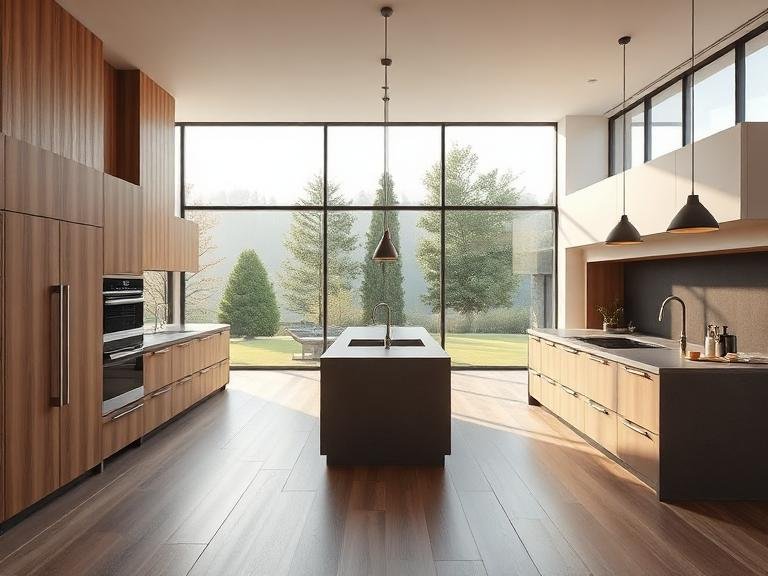
The Manufacturing Process of Laminate Flooring
The manufacturing process of laminate flooring involves several meticulously managed steps, which include wood chipping, fiberboard creation, shaping, coating, and rigorous quality control. This process begins with the sourcing of raw materials, primarily wood, which is chipped into smaller pieces. These wood chips are then processed to create wood fibers, commonly through a mechanical pulping process, resulting in what is known as medium-density fiberboard (MDF) or high-density fiberboard (HDF). Canada is recognized for its advancements in this area, with efficient techniques that maximize output while minimizing waste.
Once the fiberboard is prepared, it undergoes drying to remove excess moisture, enhancing durability. The next step involves the application of a decorative layer, which typically features printed designs that imitate the appearance of natural wood or stone. To secure this layer in place, a transparent wear layer is overlayed, providing protection against scratches, stains, and fading. This wear layer not only safeguards the aesthetic qualities of the laminate flooring but also contributes to its longevity, making it suitable for both residential and commercial applications.
Following these processes, the boards are cut to size and shaped according to industry specifications. At Canadian manufacturing facilities, advanced technology plays a significant role, including automated cutting and edging systems that ensure precision and efficiency. After these operations, laminate flooring boards undergo a meticulous quality control evaluation, checking for defects in appearance, structural integrity, and adherence to safety regulations. This multi-step quality assurance is a vital part of the manufacturing process, setting Canadian laminate flooring apart on the global stage.
Market Trends and Future of Laminate Flooring in Canada
The laminate flooring market in Canada has experienced significant evolution over recent years, influenced by varied consumer preferences, innovative designs, and an increasing focus on sustainability. One of the prevailing trends is the growing consumer inclination towards products that not only offer aesthetic appeal but also align with environmental stewardship. Modern consumers are more informed about the implications of their purchasing decisions, leading to heightened demand for laminate flooring products that are produced from sustainable materials and manufacturing processes.
Design innovations have also played a crucial role in shaping the laminate flooring landscape. Manufacturers are increasingly adopting advanced technology to enhance the authenticity of laminate products, making them indistinguishable from natural wood or stone. This includes the introduction of high-definition printing techniques which allow for greater detail and texture replication. As a result, laminate flooring is now available in a wider variety of styles, colors, and finishes, catering to diverse consumer tastes.
Moreover, the integration of smart technology into laminate flooring products is another emerging trend. Consumers are seeking flooring solutions that not only enhance the ambiance of their spaces but also integrate seamlessly with home automation systems. Manufacturers are responding to this trend by developing laminate flooring that includes features such as thermal insulation, moisture resistance, and durability, making them suitable for various environments.
Looking ahead, the laminate flooring market in Canada is expected to continue adapting to these dynamics. The focus on environmentally friendly products will likely intensify, along with innovations that enhance product durability and design options. As manufacturers confront challenges such as supply chain disruptions and fluctuating raw material costs, their ability to innovate will be paramount in securing their position in the ever-evolving flooring industry.